
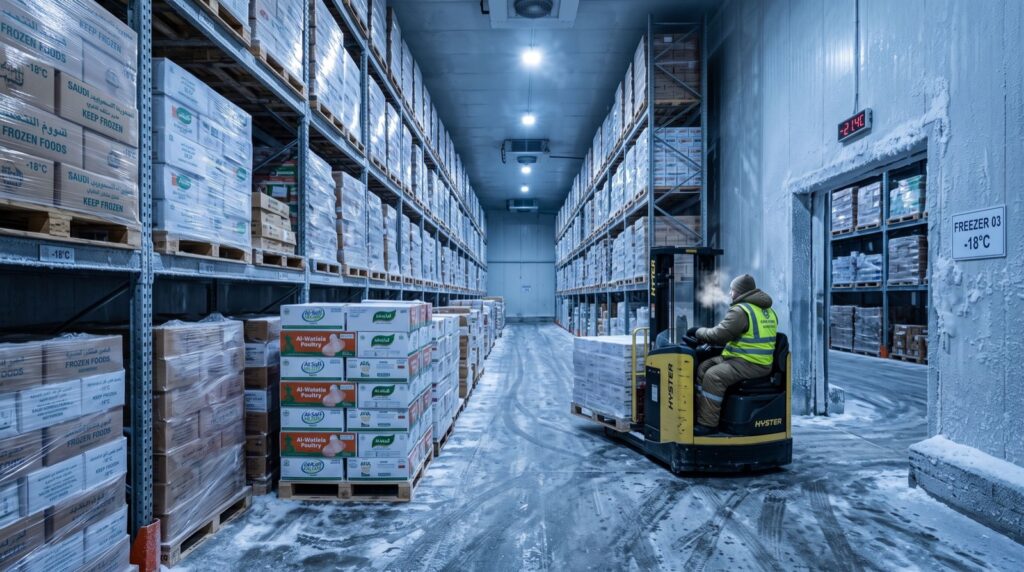
Frozen Storage for Restaurants: The 2026 Guide to Zero-Waste Kitchens
Reliable frozen storage is the secret weapon behind every high-performing restaurant kitchen in Saudi Arabia. It lets chefs buy in bulk, lock in seasonal prices, and eliminate the daily panic of running out of key ingredients. Yet many food businesses still treat their walk-in freezer as an afterthought, only to discover freezer burn, cross-contamination, and shocking waste at the end of the month. In 2026, as dining and delivery keep booming across the Kingdom, professional cold storage has become a core part of running a profitable, zero-waste kitchen.
This guide shows how frozen storage supports modern restaurants, what mistakes drain your budget, and how to build a system that keeps food safe and margins healthy.
How Frozen Storage Powers a Profitable Kitchen
Frozen storage does more than keep food cold. It gives operators buying power, menu stability, and a buffer against supply shocks. A kitchen that can freeze bulk purchases at minus 18°C stops throwing money away on rush orders and last-minute deliveries.
A dedicated Frozen Storage setup protects proteins, prepped ingredients, and specialty items that would otherwise spoil within days. When paired with the right dry and chilled zones, it turns inventory from a risk into a strategic asset.
The biggest freezer mistakes we see in restaurant kitchens are:
- Overpacking freezers so cold air cannot circulate
- Failing to date and label items, leading to mystery bags
- Refreezing thawed food, which ruins texture and safety
- Storing raw and cooked items together, inviting contamination
What Is the Best Way to Organize a Restaurant Freezer?
The best way to organize a restaurant freezer is to separate by category, label with dates, and apply strict first-in first-out rotation. Cold air must flow freely, so leave gaps between stacks rather than cramming every shelf.
Comprehensive Storage for Restaurants takes this further by offering separate rooms for frozen, chilled, and dry goods, so a busy kitchen never has to compromise on food safety or run out of space during peak season.
A simple, repeatable organization system looks like this:
- Zone by protein type. Keep beef, poultry, and seafood in clearly separated sections.
- Label with the freeze date. Every bag or container gets a date so nothing outlives its shelf life.
- Rotate with FIFO. Move older stock to the front so it is used first.
- Store raw below cooked. This prevents drips from contaminating ready-to-eat food.
- Leave airflow gaps. Overpacking blocks circulation and creates warm spots.
Frozen vs Chilled vs Dry: Matching Food to the Right Zone
Not every ingredient belongs in the freezer. Putting the wrong item in the wrong zone wastes energy and ruins quality. The table below maps common restaurant items to their ideal storage.
| Storage Zone | Temperature | Ideal For | Avoid |
|---|---|---|---|
| Frozen | -18°C or colder | Meat, seafood, prepped meals, ice cream | Leafy greens, eggs in shell |
| Chilled | 0–4°C | Dairy, fresh produce, sauces | Dry grains, canned goods |
| Dry / Ambient | 15–25°C | Rice, flour, canned items, oils | Fresh meat, dairy |
The Real Cost of Freezer Waste
Food waste is a margin killer. When a restaurant tosses spoiled or freezer-burned stock, it throws away not just the ingredient but the labor and delivery cost behind it. Poor freezer discipline can quietly erase a meaningful slice of monthly profit.
The Saudi Food and Drug Authority sets clear expectations for how food businesses must handle and store products, and its guidance for the sector is detailed on the official SFDA website. Meeting these standards is not only about compliance; it directly protects your reputation and your bottom line.
Here is a field-tested tip: run a weekly “freezer amnesty.” Once a week, pull everything forward, check dates, and move anything approaching its limit to a “use this week” bin that chefs plan specials around. This one habit converts would-be waste into featured menu items and can noticeably cut your food cost percentage.
Why 2026 Demands Smarter Cold Storage
Saudi Arabia’s hospitality scene is expanding fast, with new restaurants, cloud kitchens, and delivery brands launching every month. Ramadan, national holidays, and tourism peaks create huge demand swings that strain in-house freezers.
Outsourcing overflow to professional cold storage gives restaurants real flexibility this year:
- Store bulk purchases ahead of peak seasons like Ramadan
- Access reliable minus 18°C rooms with backup power
- Free up cramped on-site space for daily operations
- Cut spoilage through professional monitoring and rotation
Many growing food brands now lean on reputable service experts to manage their overflow cold storage so their kitchens stay lean and focused on service.
Frequently Asked Questions
How long can restaurants safely keep food frozen?
At minus 18°C, most frozen foods stay safe indefinitely, though quality is best within a few months for proteins and prepared meals. Clear date labeling and FIFO rotation ensure you use items while quality is still high.
Can you refreeze food that has thawed?
Food that has fully thawed should not be refrozen, as it degrades texture and raises safety risks. If items were partially thawed but still cold, they can sometimes be refrozen, but always follow food-safety guidance to be sure.
Why should raw and cooked food be stored separately?
Storing raw food below and away from cooked food prevents juices from dripping onto ready-to-eat items, which is a major cause of cross-contamination and foodborne illness in commercial kitchens.
Is outsourced cold storage worth it for a small restaurant?
Yes, especially for handling seasonal peaks or bulk buying. Renting professional frozen storage costs far less than installing and maintaining large walk-ins, and it comes with backup power and monitoring you might not otherwise afford.
Conclusion
A profitable, zero-waste kitchen runs on disciplined frozen storage: correct temperatures, clear labeling, strict rotation, and the right zone for every ingredient. Master those basics and you protect food safety, slash waste, and unlock real buying power throughout 2026. When your own freezer runs out of room, professional cold storage lets you scale without stress. Ready to tighten your kitchen operations? Partner with a trusted storage provider and turn your freezer into a genuine profit center.