Solar Inverters in Pakistan: 2026 Sizing and Selection Guide
If panels are the muscle of a solar system, solar inverters in Pakistan are the brain. The inverter converts DC from your roof into usable AC, talks to the grid for net metering, and increasingly manages batteries too. Choose the wrong one and you clip generation on sunny afternoons or lose backup during load shedding. In 2026, with hybrid models now mainstream, picking the right inverter is the most technical decision in your whole project.
This guide explains the types, the sizing maths, and the exact specs that matter for Pakistani conditions.
What a Solar Inverter Actually Does
An inverter is far more than a DC-to-AC box. Modern units run maximum power point tracking to squeeze every watt from your strings, synchronise safely with the grid, and log performance to an app on your phone.
In Pakistan, inverters also face brutal heat and unstable grid voltage. A unit built for mild climates can derate hard at 45 degrees, so thermal design and wide voltage tolerance are not optional extras here.
Types of Solar Inverters in Pakistan
Three broad categories cover almost every rooftop. Matching the type to your goal prevents expensive mistakes.
String Inverters
The workhorse of grid-tied homes. Panels wire in series into one inverter. They are cost-effective and reliable but need shade-free, same-facing strings to perform well.
Hybrid Inverters
The 2026 favourite for Pakistan. A hybrid manages panels, grid, and battery in one unit, so you get net metering savings plus backup during outages. It is the natural pick where load shedding still bites.
Off-Grid Inverters
Built for sites with no reliable grid, such as remote farms or tube wells. They depend on battery banks and need careful load management, since there is no grid to lean on.
| Inverter Type | Best For | Battery Support | Net Metering |
|---|---|---|---|
| String | Grid-tied homes, offices | No | Yes |
| Hybrid | Homes needing backup | Yes | Yes |
| Off-grid | Remote, no grid | Required | No |
How Do I Size a Solar Inverter Correctly?
Sizing is where many installs go wrong. The inverter rating should relate to your panel array, not just your budget.
The key figure is the DC-to-AC ratio, the total panel wattage divided by inverter AC rating. A ratio between 1.1 and 1.3 is healthy in Pakistan, because high heat means panels rarely hit their full nameplate output, so a slightly larger array keeps the inverter busy.
- Add up your panel wattage, for example 5,400 W from twelve 450 W modules.
- Divide by your target ratio, say 1.2, giving roughly a 4.5 kW inverter.
- Round to the nearest standard size and confirm the voltage window matches your string design.
Oversize too much and you clip peak production; undersize and the inverter struggles and overheats. A balanced ratio protects both yield and lifespan.
Specs That Matter in Pakistani Conditions
- Operating temperature: Look for full output up to 45–50 degrees before derating.
- MPPT count: Two or more trackers handle mixed roof orientations and partial shade.
- Surge rating: Headroom for motor loads like pumps and air conditioners.
- IP rating: At least IP65 if the unit sits anywhere exposed to dust or rain.
- Grid voltage range: Wide tolerance so it rides through our fluctuating supply.
Net Metering and Your Inverter
For net metering, your inverter must be grid-compliant and approved by your distribution company. It exports surplus units and records them on a bidirectional meter.
Always confirm the current approval list and export tariff with the National Electric Power Regulatory Authority (NEPRA) framework before buying, because an unapproved inverter can stall your entire net metering application.
Single vs Three-Phase Inverters
Your electricity connection decides another key choice. Most homes run on a single-phase supply, while larger homes, shops, and factories often have three-phase power.
- Single-phase inverters: Simple and economical, ideal for typical households up to around 7–8 kW.
- Three-phase inverters: Balance load across all three phases, which suits bigger systems, motors, and commercial machinery.
Installing a single-phase system on a three-phase connection can unbalance your load and complicate net metering, so always confirm your connection type on the bill before choosing. A quick check here saves a frustrating redesign later.
Monitoring and Smart Features
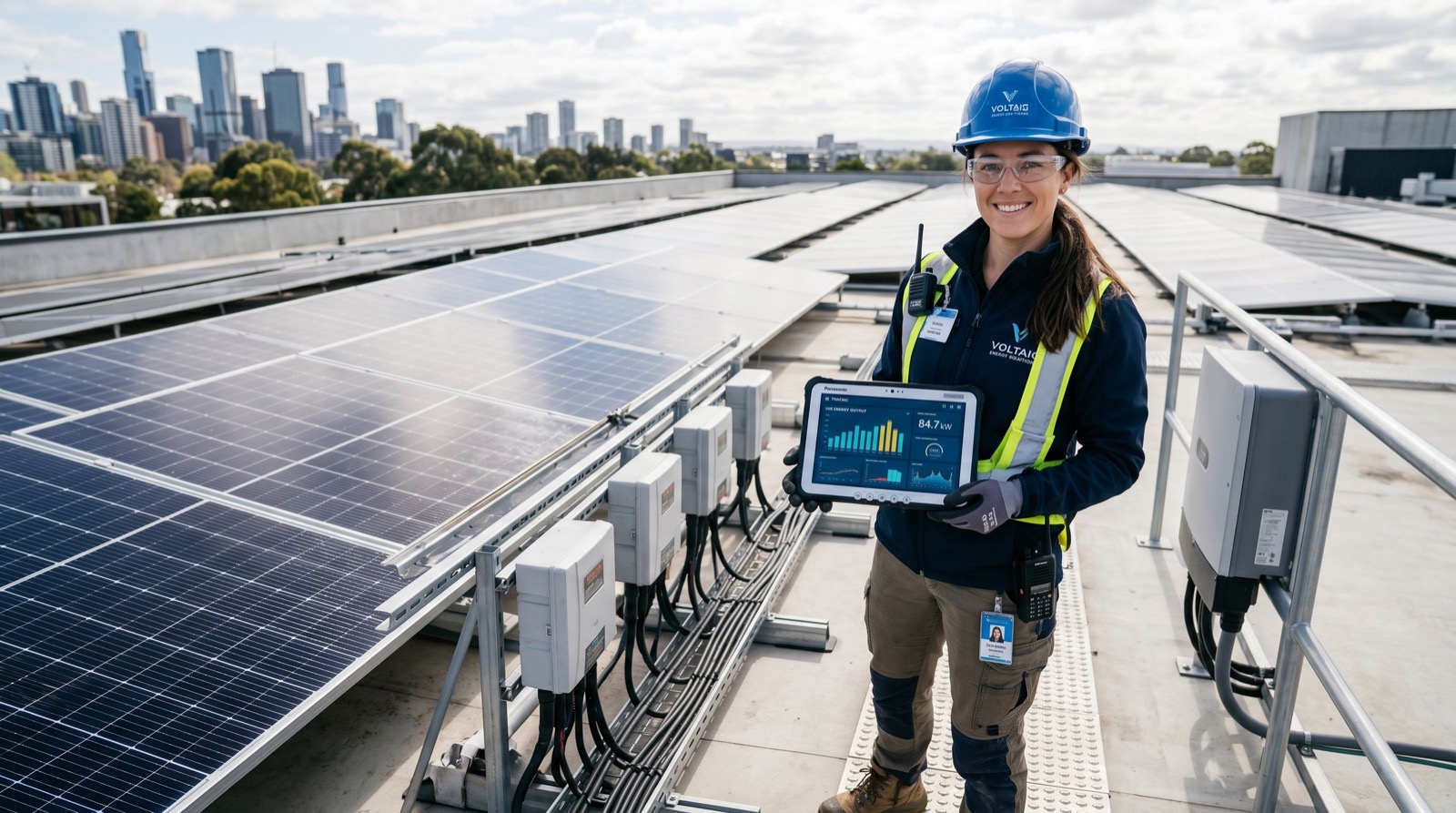
Modern inverters stream live data to a phone app, showing daily yield, lifetime generation, and fault codes. This visibility is genuinely useful in Pakistan, where dust and heat quietly erode output. If your app shows a 20% drop after a dust storm, you know it is time to clean rather than guess. Some 2026 hybrids also support remote firmware updates and smart load shifting, running heavy appliances when the sun is strongest to squeeze more value from every panel.
Maintaining Your Inverter
Inverters are reliable but not invisible. A little attention adds years of service.
- Keep the unit in shade with free airflow around the heatsink.
- Clear dust from vents every few months.
- Watch the monitoring app for fault codes and sudden output drops.
- Install surge protection on both DC and AC sides against monsoon lightning.
When a fault appears, call reputable service experts rather than resetting repeatedly, since recurring trips usually signal a wiring or grid issue that needs diagnosis.
Buying the Right Inverter
Match the inverter to your goals and buy from a vendor who stands behind it. A trusted supplier like M-Tech Solar Solutions can match the unit to your roof, loads, and net metering plan, and support you through commissioning.
- Grid savings only: a quality string inverter.
- Savings plus outage backup: a hybrid inverter.
- No grid at all: an off-grid inverter with a sized battery bank.
Frequently Asked Questions
Can one inverter handle future panel additions?
Only if you size it with headroom. Tell your installer about future plans so the inverter rating and voltage window leave room to add strings later without a full replacement.
What happens to a grid-tied inverter during load shedding?
A standard grid-tied string inverter shuts down for safety when the grid drops, so you lose power. A hybrid inverter with a battery keeps your essential loads running through the outage.
How long do solar inverters last?
Quality inverters typically run 10 to 15 years, shorter than the 25-year panel life. Budget for one inverter replacement over your system’s lifetime and keep the warranty documents safe.
Is a more expensive inverter always better?
Not automatically. The best inverter is the one correctly matched to your array size, roof layout, and backup needs. Pay for the right specs and genuine warranty, not just a premium badge.
Conclusion
The right choice among solar inverters in Pakistan comes down to matching type and size to your real goals, then insisting on heat tolerance, grid compliance, and a solid warranty. Get the DC-to-AC ratio right, pick hybrid if outages still hurt, and buy from a supplier who supports you after the sale. Do that in 2026 and the brain of your solar system will quietly maximise every sunny hour for years. Talk to a qualified solar engineer before you finalise your inverter.